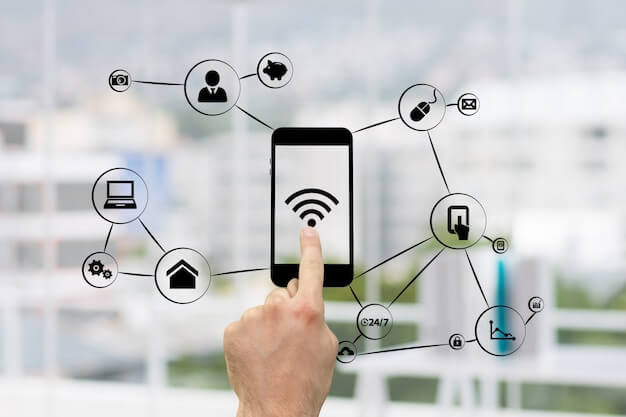
Like any other computing device, IoT devices are a potential entry point for attackers to compromise a company's network, and as such, strong security measures are needed to protect them.
Although there are many ways for companies to create value through Internet products, we find that there are six main ways for companies to make money from Internet of Things products.
In commercial buildings, IoT devices are often any device used to manage facilities or improve operational efficiency and productivity, including smart sensors, smart locks, smart thermostats, smart HVAC, smart lighting and smart security.
Many oil and gas companies also lack the IoT strategic skills required by top management or senior leadership teams to fully integrate IoT into their overall business strategy
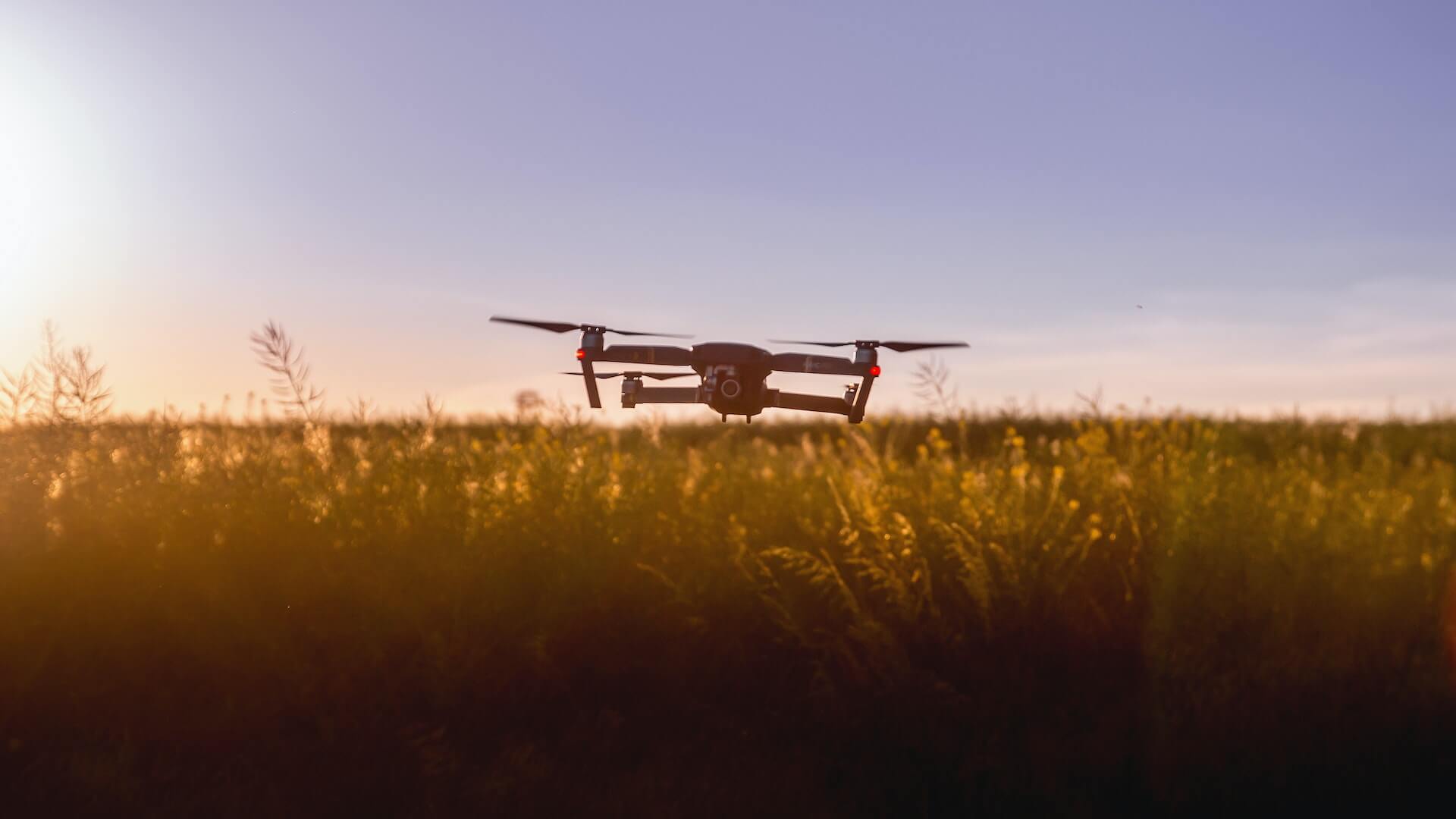
The Internet of Things has already brought great advances to many industries, including construction, health and education. Agriculture, of course, is no exception.
Seventy percent of respondents expect a return on their investment within one year, while for another 30 percent, a return on investment within six months is desired.
In August, Google Cloud said it would discontinue its core IoT services and give customers a month to migrate their IoT devices; these back-to-back announcements have forced people to think about the future of IoT in general.
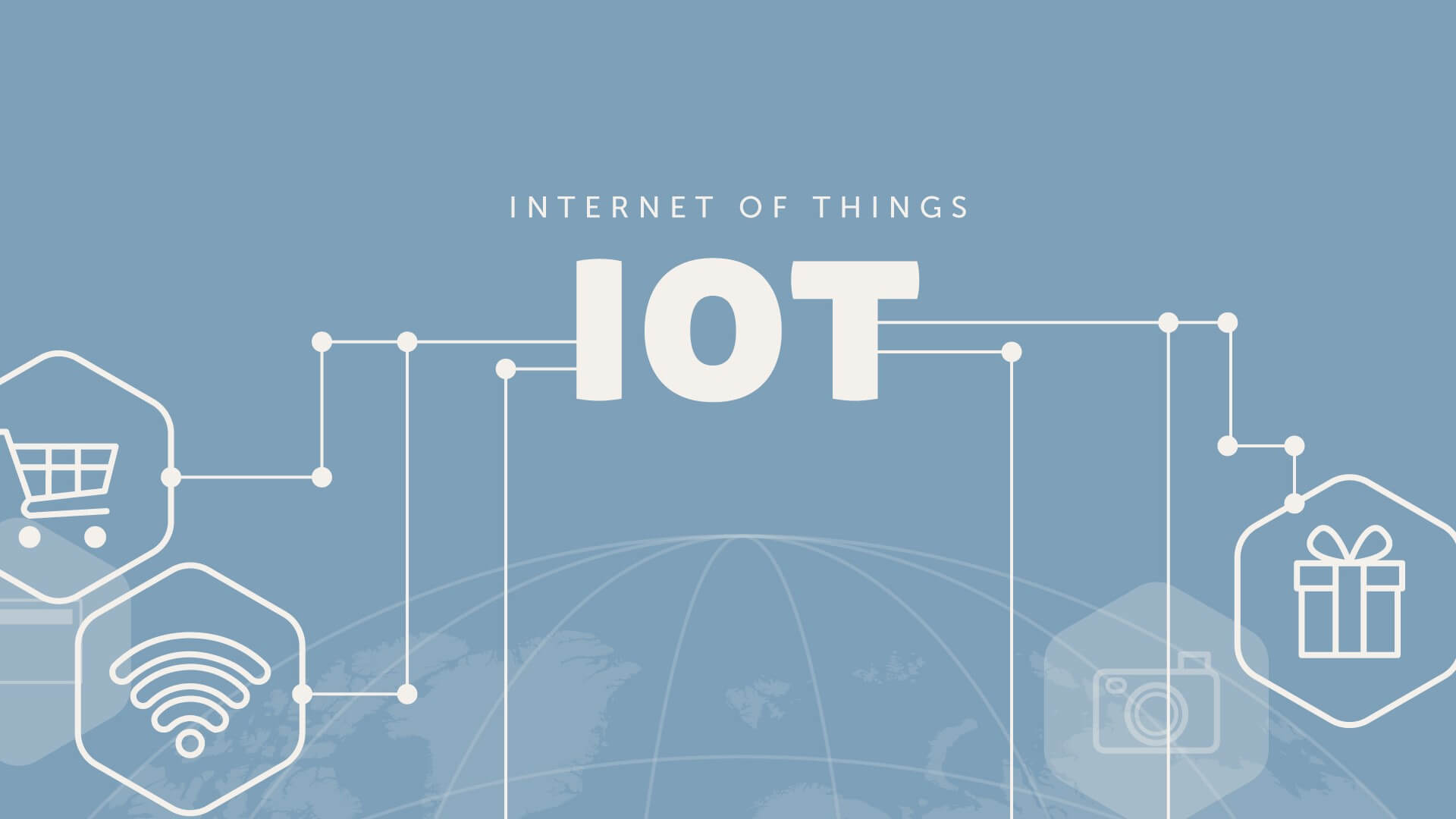
The Internet of Things is an extension of the Internet, which aims to make everything connected. Since it is an extension of the Internet, let's start with the Internet we are familiar with. What we usually call the Internet is actually a huge network that connects all computers together. As long as the equipment connected to the Internet can exchange information with each other.
Cloud computing is having an increasingly profound impact on the sports industry. People can use cloud computing to analyze and process large amounts of data, which in turn can improve the way athletes train and live.
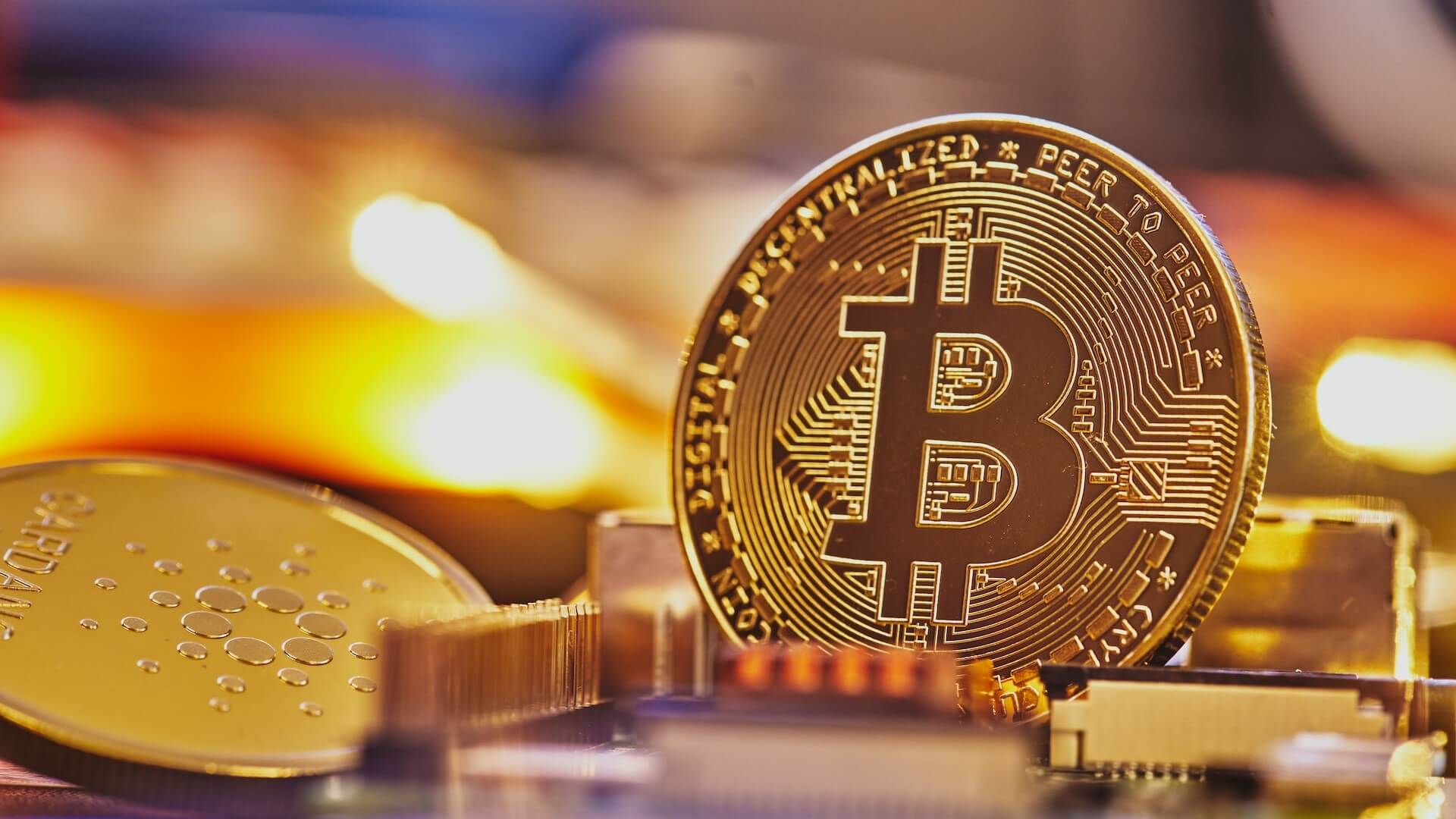
Standard explanation: "Blockchain is a new application mode of distributed data storage, point-to-point transmission, consensus mechanism, encryption algorithm and other computer technologies."
Simple understanding: "Blockchain is essentially a decentralized distributed database."
Over the past few decades, an epidemic that has spread across the globe has been quietly brewing. Specifically, mental health problems around the world have begun to grow exponentially, and their catastrophic consequences have begun to cause great concern.
Blockchain technology has a broad application prospect as it can solve the problems of traceability, managing identity and ownership disputes in the supply chain.
Collaboration tools with cloud connectivity are an important foundation for these optimization processes. With these tools, you can manage the complexity of the supply chain and improve the quality of the final product.